
























Can You Do an Oil Change in the Rain? Pros Weigh In

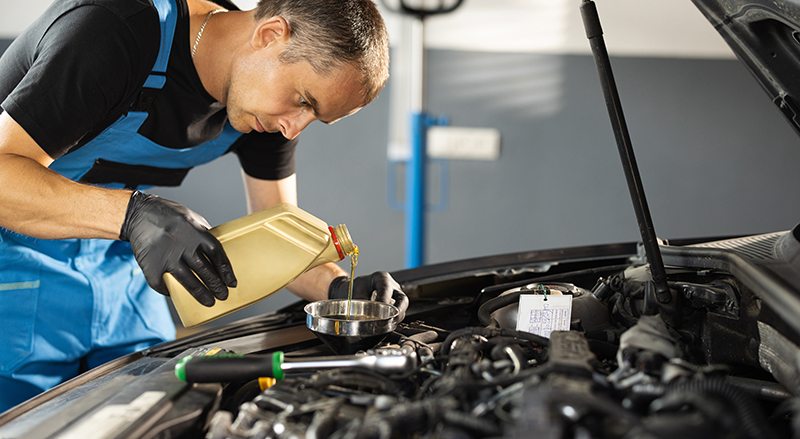
Doing your own oil change is a smart, cost-saving move but what if its raining? Maybe you dont have a garage, or you're tight on time. You might be wondering: Can you actually change your oil in the rain? And more importantly, should you?
We asked seasoned mechanics, DIYers, and auto techs for their take. Here's what you need to know before you pop the hood on a rainy day.
? Quick Answer
Yes, you can do an oil change in the rain but its not ideal, and it requires extra care. Rain introduces risks like:
-
Water contamination
-
Slippery working conditions
-
Reduced visibility
-
Tools slipping or rusting
If you're going to do it, youll need the right setup and precautions. Heres the full breakdown.
? The Risks of Doing an Oil Change in the Rain
1. Water Can Get Into Your Engine
-
During an oil change, the oil cap, dipstick, and oil filter housing are opened.
-
If rainwater enters the engine or oil system, it can cause oil contamination, frothing, or even engine damage.
? Even a small amount of water in the oil system can create sludge or reduce lubrication.
2. Wet Conditions Are Unsafe
-
Jack stands and ramps can slip on wet pavement.
-
Tools may slide or fall out of your hands.
-
You risk burns or injury if visibility or grip is compromised.
?? If the ground is muddy or water is pooling under the car, avoid the oil change entirely.
3. Cold & Damp Conditions Slow You Down
-
Cold rain can make the engine oil drain more slowly.
-
Your tools and hands get wet, reducing efficiency.
-
If the filter or drain plug is difficult to remove, slippery hands make it worse.
? If You MUST Change Oil in the Rain
Heres how to do it as safely and cleanly as possible.
? 1. Use a Covered Area
-
Best option: A carport, portable garage, or canopy.
-
Next best: A large tarp stretched over the hood or rear hatch.
-
Never work under trees they drip water and debris.
? 2. Stay Off Wet Ground
-
Lay down a tarp, rubber mat, or cardboard under the car.
-
Avoid puddles, mud, or sloped surfaces.
-
Make sure jacks and stands are on solid, dry surfaces.
? 3. Keep Water Out of the Engine
-
Use a large towel or plastic cover around the engine bay.
-
Plug the dipstick hole and oil fill cap securely if you step away.
-
Work fast open ports only when youre ready to fill or drain.
? 4. Warm the Engine First
-
Let the engine run for a few minutes to warm up the oil it drains more easily.
-
But be careful: rain + heat = steam, and that can fog up your workspace or burn your hands.
? Watch for Contamination
After the oil change:
-
Check the dipstick after driving a few miles. If its milky, you may have water in the oil.
-
Inspect for bubbles or froth on the dipstick a sign of moisture.
? Still worried? An oil analysis lab can test for water content and oil quality.
? Pro Tips From Mechanics
Heres what professionals have to say:
Unless its an emergency, Id wait. Water and oil dont mix literally.
Jason, ASE Master Technician, 18 years experience
Ive done it in the rain, but I used a pop-up canopy and made sure the ground was dry. You have to be twice as careful.
Maya, mobile mechanic and auto tech YouTuber
For most people, the risk isnt worth it. If youre worried about delays, just top off the oil and wait for a dry day.
Chris, DIY mechanic with 25+ years in the field
? Should You Just Wait?
Heres how to decide.
|
Condition |
Should You Do the Oil Change? |
|
Light drizzle, covered space |
Yes, with caution |
|
Moderate rain, no cover |
No wait or find shelter |
|
Emergency low oil level |
Top off, wait to change |
|
Off-road or muddy surface |
Never too dangerous |
|
Storm or lightning |
Absolutely not |
? Alternatives If Its Raining
? 1. Top Off Instead
If you're a few days overdue, just top off with clean oil to hold you over.
? 2. Visit a Quick Lube or Shop
They have dry, controlled environments and can finish in 2030 minutes.
? 3. Wait a Day or Two
If its not urgent, patience pays off. Oil change intervals have some wiggle room a short delay wont destroy your engine.
? Final Verdict: Can You Do It?
Yes, you can do an oil change in the rain but its not worth the risk unless its urgent and you have the right setup.
Best case: Use a covered area, dry the workspace, and protect the engine from moisture.
Worst case: You contaminate the oil, slip under the vehicle, or damage components due to poor visibility or wet tools.
? Summary Checklist
|
? Prep for Rainy Oil Change |
|
Use a canopy, carport, or tarp |
|
Warm engine before draining |
|
Lay a dry tarp under the vehicle |
|
Protect oil ports from rain |
|
Use dry hands/tools for filter and cap |
|
Double-check dipstick after finish |
|
Watch for frothy or milky oil signs |