


















Laser Cutting Techniques for Precision in Dubai Glass Structure Models
In the fast-paced world of architectural visualization, laser cutting plays a major role in model making Dubai glass structures. With the city's focus on futuristic designs, complex geometries, and transparent materials, laser cutting allows model makers to achieve intricate precision.

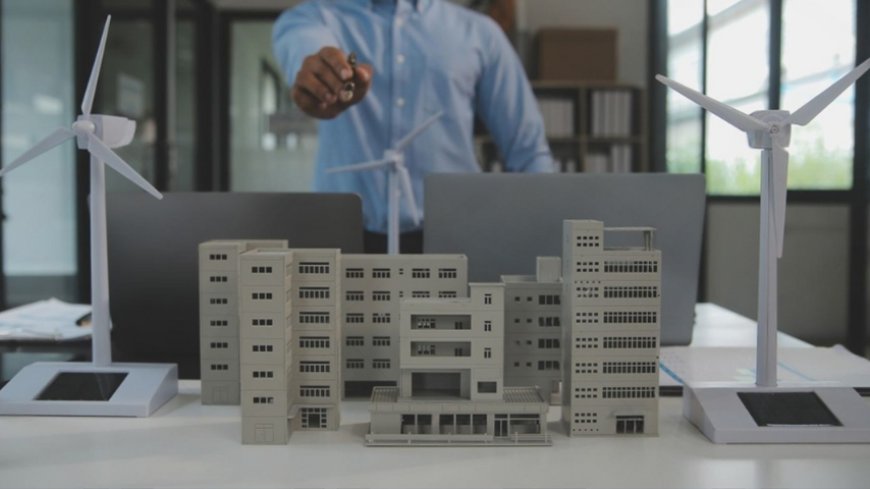
In the fast-paced world of architectural visualization, laser cutting plays a major role in model making Dubai glass structures. With the city's focus on futuristic designs, complex geometries, and transparent materials, laser cutting allows model makers to achieve intricate precision.
It helps replicate glass features, frames, and faades in highly accurate miniature forms. This method supports both presentation quality and design development. Dubai's model makers rely on advanced laser technologies to bring glass structure concepts to life.
Why Laser Cutting Is Crucial for Glass Model Making
Glass buildings in Dubai often include sharp edges, unique angles, and geometric patterns. Replicating these in scale requires high accuracy. Manual cutting may not deliver the same level of control, especially for fine frames, mullions, or panel divisions.
Laser cutting allows for cleaner edges, smoother finishes, and complex cuts that match the original architectural intent. For model making Dubai glass structures, laser precision ensures consistency in shape, proportion, and alignment.
Materials Suitable for Laser Cutting in Glass Models
While real glass is not used in architectural models due to fragility and weight, substitutes are carefully chosen. Clear acrylic sheets, transparent polystyrene, PETG, and frosted plastics are commonly used. These materials can simulate the appearance of real glass and are compatible with laser cutting machines. They allow cuts that are clean and precise, with minimal melting or warping. Different thicknesses of acrylic are chosen depending on the scale and transparency needed in the model.
CO2 Laser Cutting for Transparent Materials
CO2 laser cutters are the most widely used machines in Dubais model making workshops. They work well with acrylic and other non-metallic materials. These lasers emit infrared light that is absorbed efficiently by plastic materials. When applied at the right power and speed settings, they produce polished edges that resemble the clean cut of actual glass. The models benefit from sharp angles, clean lines, and accurate detailing. This technique is ideal for cutting windows, curtain wall panels, glass partitions, and transparent roofing features.
Vector and Raster Laser Cutting Approaches
Model makers in Dubai use both vector and raster techniques. Vector cutting involves following exact paths, which is perfect for outlining panels, edges, or frames. Raster cutting, on the other hand, is used to engrave surface details such as etched glass textures or patterns. This can represent decorative frosted finishes, dotted shading films, or technical etchings. By combining both methods, a glass structure model becomes more visually realistic and detailed.
Precision in Repeating Faade Elements
Modern glass buildings often feature repeating elements like grids, frames, or brise-soleil structures. Laser cutting allows these patterns to be repeated with perfect accuracy. Once the digital file is prepared, the laser can cut hundreds of identical components. This is especially important in tall glass towers where uniformity is key. The precision helps maintain scale accuracy, reduce errors, and streamline the entire model building process.
Fine Mullions and Frames in High Detail
In glass structures, mullions and supporting frames are critical. These must be represented in the model with the right thickness and alignment. Laser cutting helps produce thin strips of material that form realistic mullions without snapping or bending. These are often made from thin acrylic or cardstock treated for color and texture. Dubai model makers use this to mimic aluminum, steel, or dark-colored frames that support real glass faades.
Layered Cutting for Depth and Structure
Some glass models require depth, especially when simulating double or triple glazing. This is done by layering laser-cut transparent sheets with spacers. The laser cuts exact matching shapes that fit over one another. These layers can also be used to represent ventilated glass systems or structural glazing. Dubai firms use this technique to improve realism while maintaining clarity. It also supports light testing or solar reflection analysis.
Micro Engraving for Glass Pattern Effects
Laser engraving allows Dubai model makers to simulate sandblasted or frosted glass finishes. These surface treatments are often used in real buildings to add privacy or reduce glare. Using raster mode, lasers can engrave light patterns such as dots, lines, or grids directly onto transparent material. This adds depth and contrast to otherwise clear parts of the model. It is particularly useful in lobbies, interior partitions, or decorative glass panels.
Laser Cutting for Integrated Lighting Features
Laser-cut grooves and cavities help incorporate LED lighting within the model. This is often used to show how light interacts with glass surfaces. Tiny notches, channels, or light guides are added to the cut materials. This enables the model to glow from within or reflect light accurately. Dubai glass structures often include internal or external lighting in their real designs, so laser detailing supports a more lifelike model presentation.
Digital File Preparation and Calibration
Before cutting begins, designers prepare vector files using software like AutoCAD, Rhino, or Illustrator. The files are scaled and calibrated based on the model size. Settings like cutting speed, power, and frequency are adjusted depending on material thickness and desired finish. Dubai model workshops often run test cuts on scraps to avoid damaging expensive transparent sheets. This ensures clean results and avoids smoke marks or heat distortion.
Environmental Controls During Laser Cutting
Acrylic and plastic materials release fumes when laser cut. Dubai model making studios use ventilation systems to remove smoke and prevent discoloration. Some machines include air assist features that direct compressed air along the laser path. This helps cool the material and prevent overheating. Clean environments and well-maintained machines are essential to maintain the clarity of transparent pieces.
Conclusion
Laser cutting has transformed how model making Dubai glass structures are created. It provides unmatched precision for replicating the complex and elegant details of modern glass architecture. With CO2 lasers, acrylic substitutes, and raster engraving, model makers can create detailed, accurate, and visually compelling representations. This technique supports faster production, consistent quality, and stunning presentation value. As Dubai continues to push architectural innovation, laser cutting remains a key tool in visualizing its glass-dominated skyline.